How to keep staff and neighbors out of patient parking
When staff park in the spaces patients need, patients pay for it. A plain plan for marking the lot, giving staff permits, and handling repeat offenders without a fight.
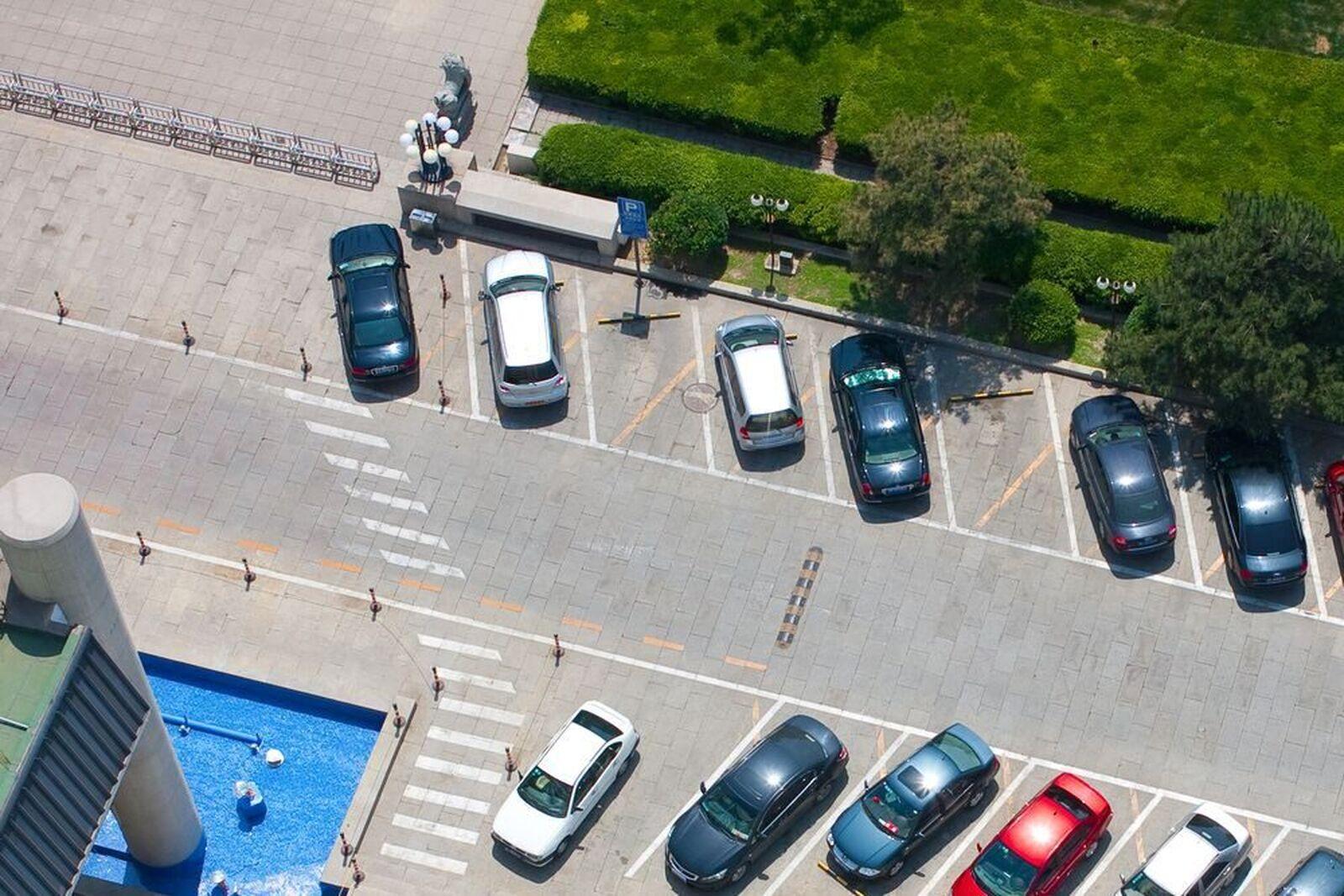
The short answer: decide which spaces are for patients and which are for staff. Give every staff member a permit tied to their plate for the staff area, give patients a way to get a pass in seconds, and check the lot on a routine, so a warning with a photo is on file before anyone raises their voice.
Start by deciding who parks where
Count your spaces and divide them honestly. Patients and visitors get the spaces closest to the door, because they are the ones who are late, in pain, or carrying something. Staff get the farthest area you can give them, and if there are more staff than spaces, say so and plan for it, because a rule nobody can follow turns into a rule nobody follows. If tenants or neighbors share the lot, they get a group of their own.
Give staff a permit tied to their plate
A hang tag can be lost, lent, or left on the mirror of a car that isn't the employee's. A permit tied to the plate can't be. When someone gets a new car, they update the plate and the old one stops counting. It also makes the check simple: whoever walks the lot types a plate and sees at once that it belongs to a staff permit, which is fine in the staff area and is the problem you are looking for in a patient space.
Make it easy for a patient to get a pass
The patient who is told "you'll need a permit" and then gets a warning on their windshield is not going to come back. Give the front desk a way to issue a visitor or patient pass in seconds, with a plate and a time, and put a sign at the entrance with a code for people who don't stop at the desk first. The easier that is, the fewer people park without one.
Check the lot on a routine
Pick a time, usually mid-morning when the lot is full, and have one person walk it with their phone and type the plates they don't recognize. It doesn't have to be long. What matters is that it happens every day, so staff know it happens, and that the person doing it can see the answer for each plate instead of guessing.
Warn first, with a photo
The first time a staff car is in a patient space, log a warning with a photo and the date, and tell the person. Most people move their car and don't do it again. When the same car keeps coming back, you have a history that shows it, and the conversation with that employee, or with the tenant's office manager, is about a record and not about who is right. Towing is the last step, and it has its own rules: your state may require specific signs and notice before you can do it, so check before you rely on it.
What to tell staff
- Which area is theirs, and why the front spaces are not.
- That permits are tied to the plate, so a new car means an update.
- That the lot is checked every day, and that a warning comes with a photo.
- Who to ask when the staff area is full.
Say it once at a staff meeting and put it in the new-hire packet. It lands much better as a thing the practice decided than as a thing someone noticed.
The neighbor and delivery problem
People from the building next door and delivery drivers use the same logic: the lot is open and nobody is stopping them. A sign at the entrance, a pass for the delivery you expect, and the same daily check handle most of it without anyone getting into an argument at the curb.
Free for 60 days.